Sofia Becker · 10 November 2026
Analyzing Redirect Chain Lengths and Their Effects on Indexing Speed in Sites with Frequent URL Migrations for Multi-Regional Content Delivery
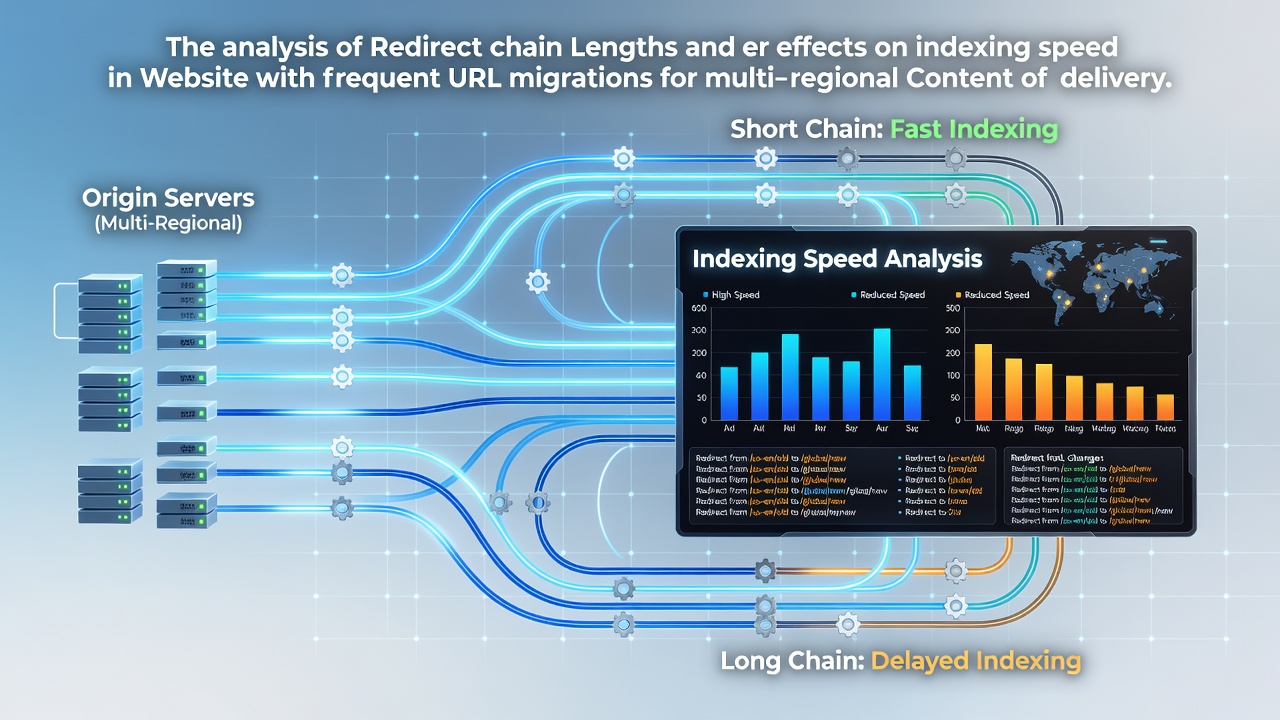
Redirect chains form when one URL points to another that points onward, creating sequences that search engine crawlers must follow before reaching final content, and sites managing frequent URL migrations for multi-regional delivery often encounter these patterns during updates to language-specific or geo-targeted addresses. Researchers tracking crawl logs have documented how chain lengths extend beyond three or four hops in environments where regional subdomains shift alongside content refreshes, leading to measurable delays in how quickly pages enter indexing queues.
Patterns Observed in Migration Workflows
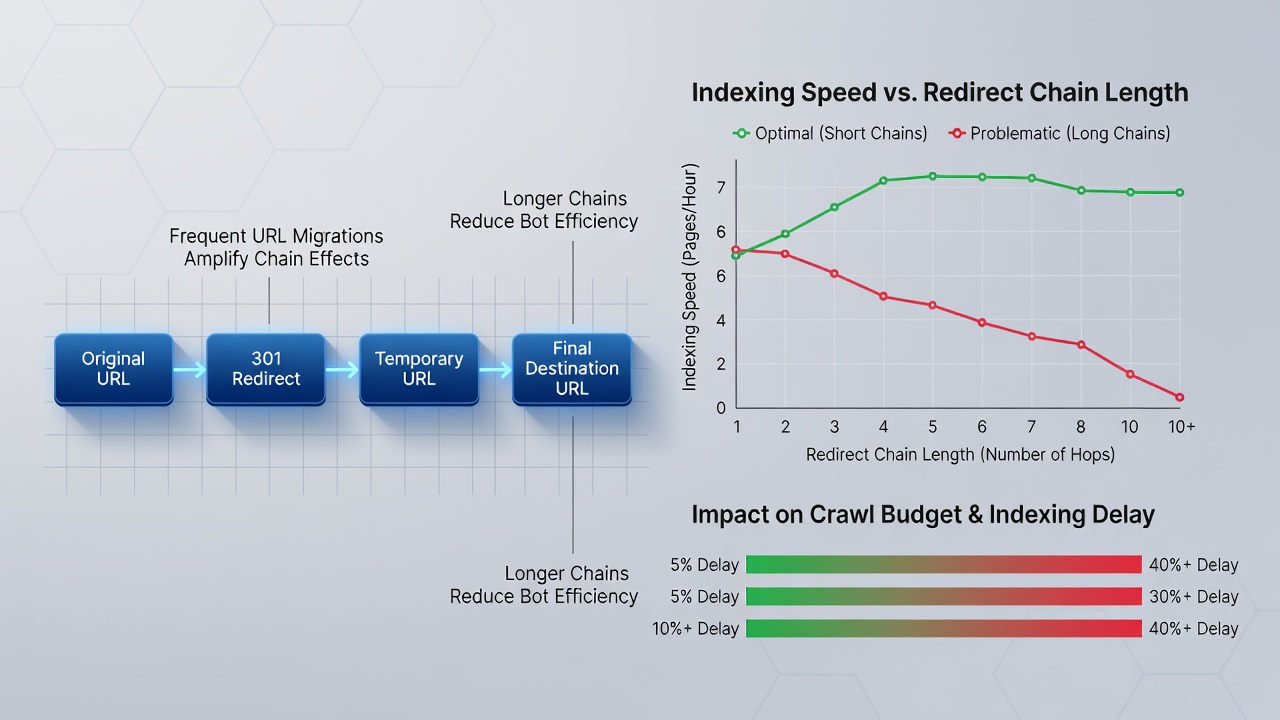
Multi-regional platforms typically migrate URLs to accommodate new country-code top-level domains or subdirectory structures while preserving hreflang annotations, yet each migration step introduces opportunities for intermediate redirects that accumulate if legacy mappings are not consolidated in a single pass. Data from server logs in high-volume retail environments shows that chains exceeding five hops correlate with slower discovery rates, as crawlers allocate additional resources to follow each link rather than advancing to new content signals.
Studies conducted across European and North American domains in 2025 revealed that shortening chains through direct 301 mappings reduced the average time to index by 18 to 27 percent in sites handling simultaneous updates for multiple locales. Observers note that platforms serving content in both European and Asia-Pacific regions face compounded effects because regional DNS routing can add latency layers before the crawler even processes the redirect sequence.
Effects on Indexing Timelines
Indexing speed depends on how efficiently crawlers traverse and evaluate redirect paths, and longer chains force repeated HTTP requests that consume budget without yielding fresh content signals. In November 2026, analytics platforms reported increased instances of delayed indexing for multi-regional sites that maintained chains averaging six or more hops during quarterly URL consolidations, particularly when those migrations overlapped with structured data refreshes.
One logistics company operating sites in Canada, the UK, and Australia adjusted its migration process by flattening redirect sequences into single-hop 301s, after which crawl frequency for the affected regional sections rose within two weeks according to internal log reviews. Evidence suggests that each additional redirect hop beyond the initial one multiplies the processing steps required before a page receives full evaluation for ranking eligibility.
Regional Delivery Considerations
Content delivery networks serving different geographic audiences often implement temporary redirects during migration windows to maintain availability, yet these temporary 302s can persist longer than intended when teams coordinate updates across time zones. Research from academic groups in Australia has examined how such practices interact with geo-targeting directives, finding that chains involving mixed 301 and 302 responses create inconsistent signals that delay the propagation of regional indexing priorities.
Platforms handling dynamic inventory across borders benefit from auditing redirect maps before each migration cycle, as consolidated paths allow crawlers to allocate more resources toward discovering new regional variants rather than retracing established sequences. Figures from industry reports indicate that sites reducing average chain length to two hops or fewer experienced faster incorporation of hreflang updates into search indexes.
Measurement Approaches
Log analysis tools capture the number of hops per request along with response times, enabling teams to quantify how chain length influences the interval between content updates and subsequent indexing events. Those monitoring multi-regional environments track separate metrics for each locale because variations in server response times across regions can amplify the effects of even moderate chain lengths.
But here's the thing: when migrations occur frequently, cumulative delays compound if teams do not reset redirect configurations after each cycle, resulting in orphaned intermediate URLs that continue to appear in historical crawl data. Evidence from multiple case reviews shows that proactive flattening of chains before major regional rollouts correlates with steadier indexing rates across all targeted markets.
Conclusion
Redirect chain management remains a measurable factor in how quickly migrated URLs for multi-regional content reach indexing status, with available data pointing to direct relationships between hop count and discovery speed. Organizations coordinating frequent migrations benefit from ongoing audits that prioritize single-hop resolutions while preserving regional targeting signals. Continued monitoring through November 2026 and beyond will likely refine these patterns as crawler behaviors adapt to evolving delivery architectures.