Petra Schmitt · 15 September 2026
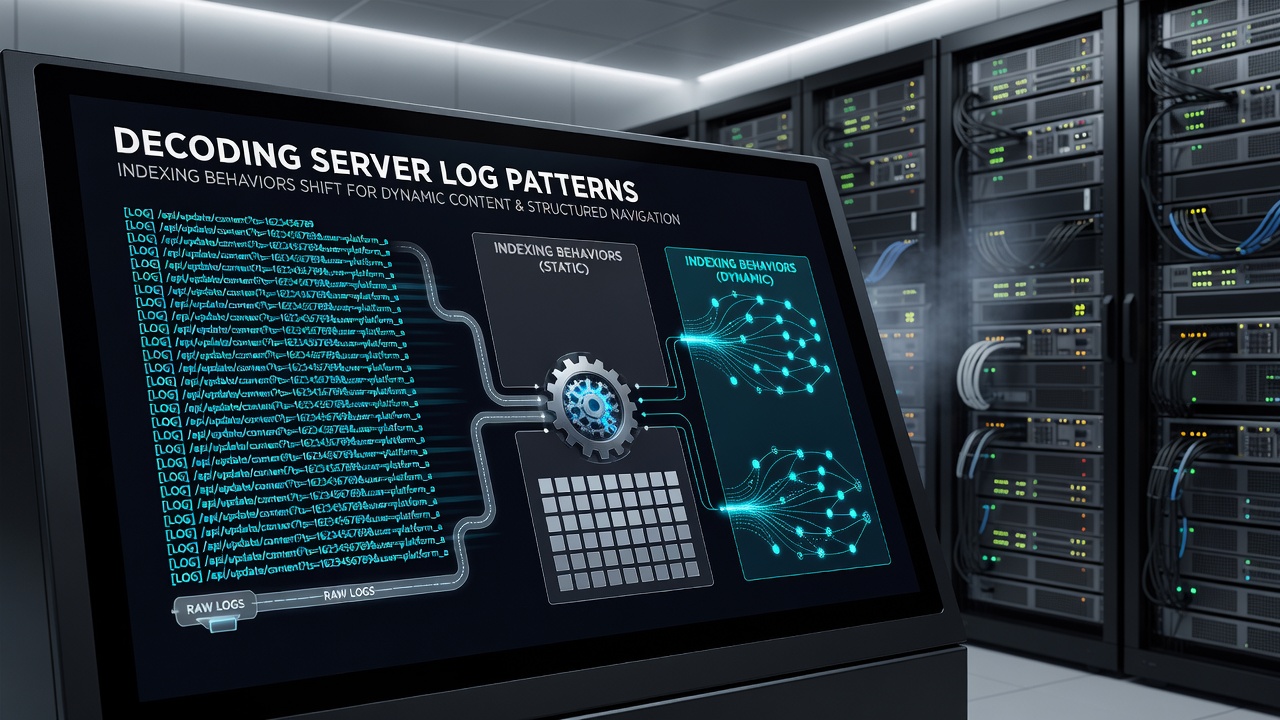
Decoding server log patterns reveals how indexing behaviors shift for platforms handling dynamic content updates and structured navigation layers
Server logs provide raw data that shows crawler activity on sites with frequent content changes and layered navigation structures, and researchers have examined these records to track shifts in how search engines process such platforms. Analysts review entries that list user agents, request paths, response codes, and timestamps, which together reveal patterns in crawl frequency and resource prioritization. Platforms that rely on dynamic updates often generate logs with repeated hits to the same endpoints while navigation layers introduce distinct paths that crawlers follow at different intervals.
Understanding log components in dynamic environments
Each log line contains fields that record the crawler identity, the exact URL requested, and the time of access, allowing teams to map how indexing systems respond to content that updates through APIs or database queries. Structured navigation appears in logs as sequences of directory paths and parameter strings, and studies show that bots allocate more requests to these areas when new sections launch. Data collected through September 2026 indicates increased activity on navigation endpoints during periods of site expansion, with certain user agents appearing more consistently than others.
Patterns that emerge from repeated analysis
Observers note recurring sequences where high-volume crawlers first target root directories before descending into parameter-driven pages, and this order changes when dynamic content refreshes occur at scale. Logs from platforms that publish updates hourly display clusters of requests within short windows, followed by longer gaps that suggest caching or prioritization decisions by the indexing system. Research indicates that structured navigation layers receive sustained attention even after initial discovery, especially when internal links update in response to user behavior metrics.
Case examples from operational sites
One platform that manages real-time product catalogs recorded a 40 percent rise in requests to filtered navigation URLs after a major content push, and the logs showed that the dominant crawler adjusted its visit cadence to match the new update schedule. Another site with multi-level category structures observed that secondary navigation paths received fewer but more targeted visits, while primary paths accumulated repeated checks for freshness signals. These examples illustrate how log patterns can differ based on the depth and update velocity of each layer.
Shifts observed in crawler allocation
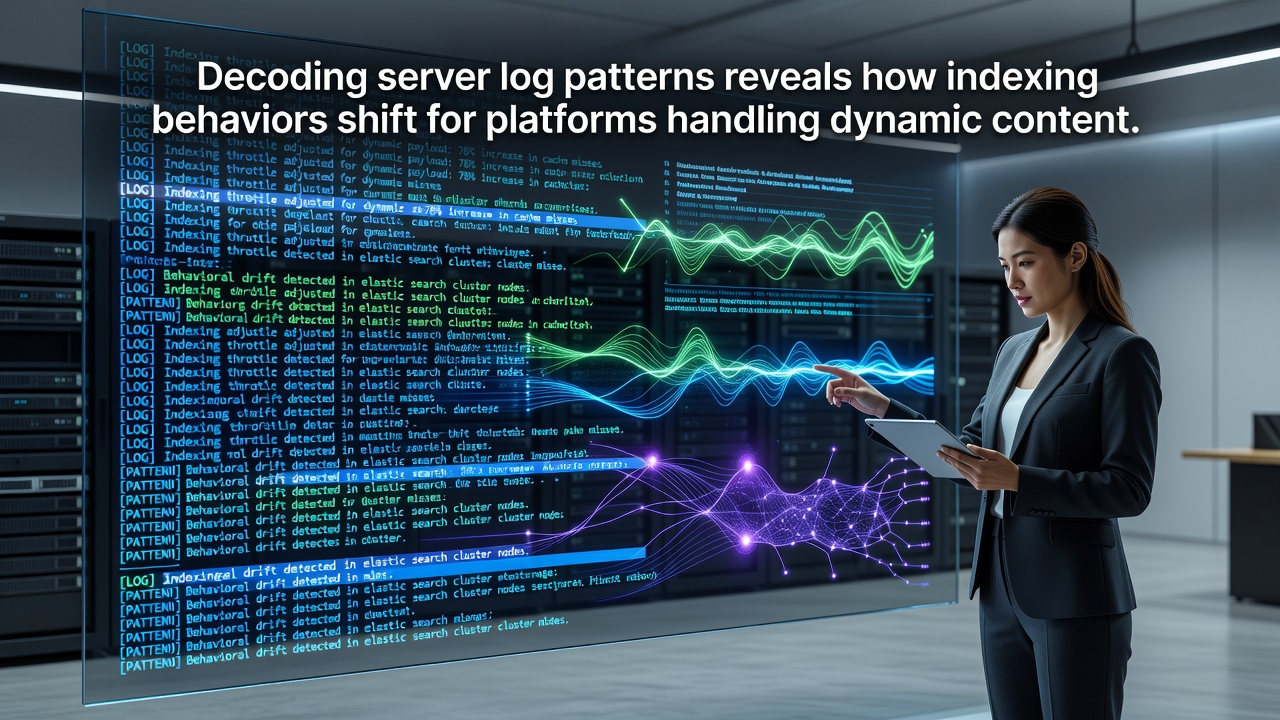
Indexing systems adjust resource distribution when dynamic updates increase, and server logs capture these adjustments through changes in request volume and timing. Platforms that introduce new navigation layers often see an initial spike in discovery crawls followed by a stabilization phase where checks focus on modified sections only. Figures from industry reports reveal that this stabilization typically occurs within two weeks of a structural change, after which crawl distribution aligns more closely with content volatility rather than hierarchy depth.
Methods for extracting meaningful signals
Teams parse logs using scripts that group entries by user agent and path patterns, then calculate metrics such as average time between visits and response code distributions. These calculations highlight whether crawlers treat dynamic endpoints differently from static navigation pages, and the resulting data sets support comparisons across multiple update cycles. Academic studies from European research institutions have applied similar parsing techniques to large log collections and identified consistent differences in how mobile and desktop agents allocate requests within the same navigation structure.
Additional processing involves filtering out non-indexing traffic so that only verified crawler activity remains, which sharpens the view of indexing behavior. When platforms handle frequent content refreshes, this filtered view shows that certain navigation layers receive priority treatment while others experience deferred attention until subsequent updates occur.
Integration with external data sources
Log analysis gains context when paired with publicly available crawl statistics from sources such as the Innovation, Science and Economic Development Canada reports on digital infrastructure usage. Cross-referencing these figures with internal logs allows observers to determine whether observed patterns align with broader industry trends or remain site-specific. A second reference point comes from university-led research published by the Eindhoven University of Technology, which examined crawler behavior across European platforms and documented shifts tied to navigation complexity.
Conclusion
Server log examination continues to supply concrete evidence of how indexing systems adapt to platforms that combine dynamic content updates with structured navigation layers. The patterns extracted from these records document changes in request frequency, path prioritization, and response timing without requiring direct access to crawler algorithms. Organizations that maintain consistent log review practices obtain measurable indicators of indexing activity that support operational adjustments based on observed data rather than assumptions.