Sofia Becker · 27 October 2026
Examining How API Endpoint Changes Alter Content Freshness Detection in High-Volume Retail Platforms
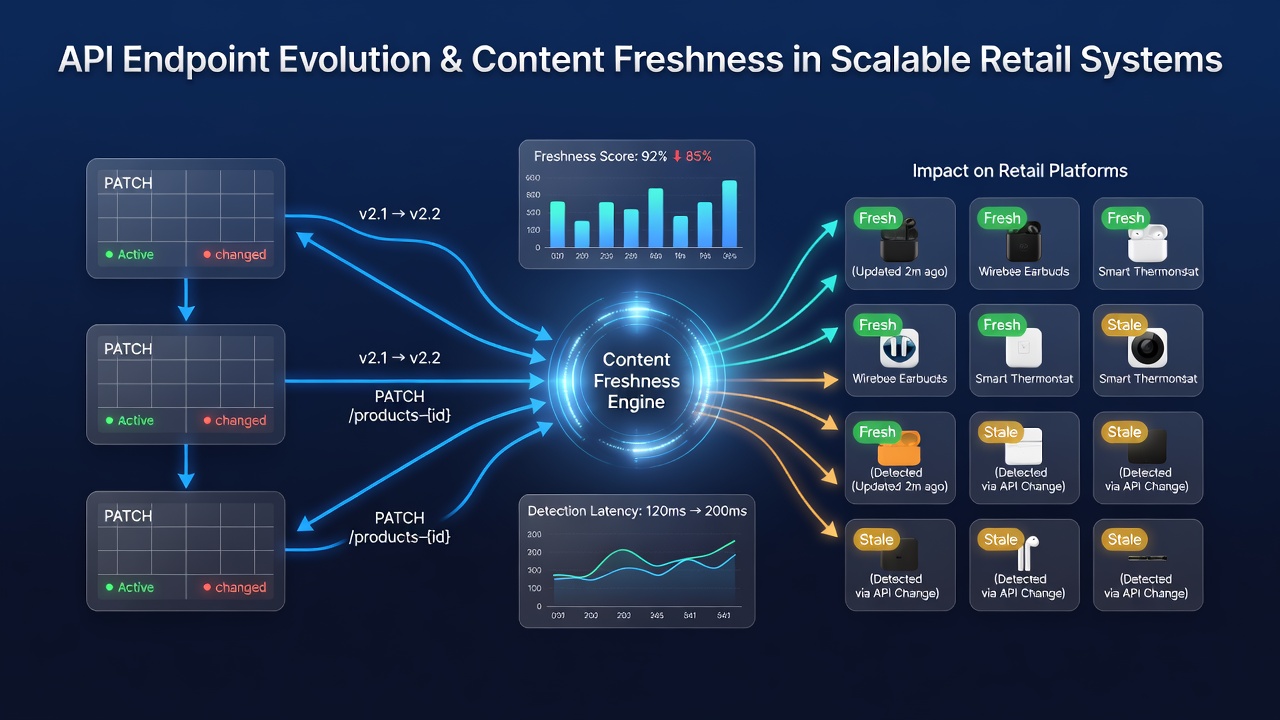
High-volume retail platforms rely on API endpoints to push product details, pricing adjustments, and inventory levels across distributed systems, while content freshness detection tracks the recency of these updates to maintain accurate customer experiences. Researchers have observed that modifications to endpoint structures often shift the timing and accuracy of freshness checks, especially when high-traffic sites handle thousands of daily changes. Data from industry monitoring tools indicates these alterations can delay or accelerate how platforms identify stale information, creating ripple effects in database synchronization processes.
Core Components of API Endpoints in Retail Systems
Retail environments use RESTful or GraphQL endpoints to transmit structured data such as stock quantities and promotional offers, with each endpoint defining specific parameters for request and response formats. Changes to these endpoints, including shifts in URL paths or authentication requirements, force downstream services to adapt their polling intervals or webhook subscriptions. Observers note that in October 2026 several major platforms reported endpoint versioning updates that coincided with measurable differences in update propagation speeds across their networks. Those who manage large catalogs find that endpoint modifications frequently require adjustments to caching layers, which in turn influence how freshness algorithms evaluate data age against predefined thresholds.
Mechanisms Behind Content Freshness Detection
Content freshness detection operates through timestamp comparisons, ETag validations, and last-modified headers that signal whether stored information matches the latest source records. Platforms integrate these signals into monitoring routines that scan for discrepancies every few minutes during peak sales periods. Evidence suggests endpoint changes disrupt header consistency or alter timestamp formats, leading systems to misclassify fresh entries as outdated or vice versa. Studies from academic research groups show that when endpoints switch from synchronous to asynchronous response models, detection latency can increase because confirmation signals arrive through separate channels rather than direct replies.
Impact Patterns Observed Across Major Retail Operations
High-volume retailers processing millions of daily transactions encounter distinct patterns when API endpoints undergo revisions. One common outcome involves expanded payload sizes after endpoint updates, which slows parsing routines and delays freshness score calculations. Another pattern emerges when authentication tokens rotate more frequently, interrupting continuous data streams and forcing detectors to restart their evaluation cycles. Figures from European retail technology reports reveal that such interruptions occurred more often following standardized API migrations completed in late 2025, with knock-on effects visible in search result accuracy for product pages. Those tracking these systems note that endpoint deprecations without adequate transition periods tend to create temporary blind spots where freshness detection overlooks critical inventory shifts.
Case Examples from Platform Implementations
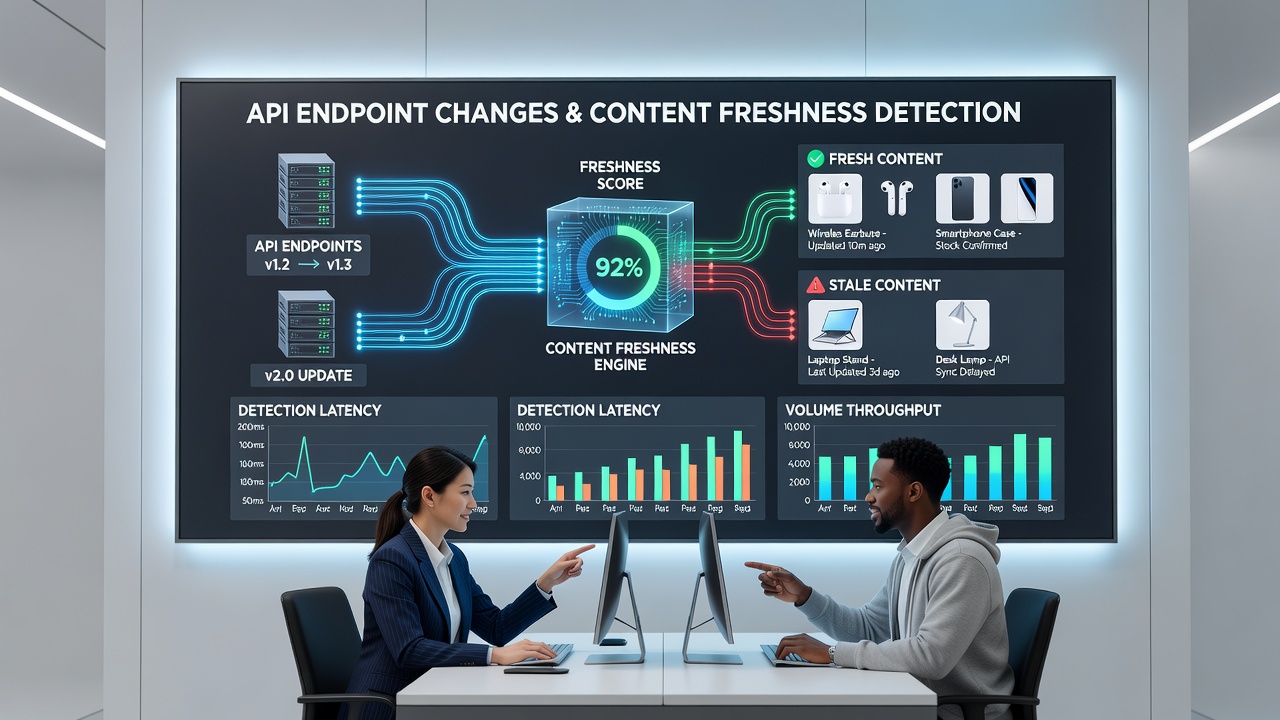
Take one large North American retailer that adjusted its product API endpoints to include additional metadata fields in early 2026. The modification required updates to freshness detection scripts, resulting in a temporary increase in false positive alerts for stale pricing data until recalibration completed. Similarly, an Asia-Pacific platform introduced rate-limiting changes to its inventory endpoints, which altered the frequency of successful data pulls and shifted detection windows by several seconds on average. Research indicates these adjustments, while aimed at improving security and performance, required parallel refinements to freshness logic to restore previous accuracy levels. Data shows that platforms employing automated testing suites detected these shifts faster than those relying on manual oversight.
Technical Adjustments and Their Consequences
When teams modify endpoint schemas, they often introduce new fields or remove legacy ones, which changes how comparison algorithms match incoming data against existing records. This process can extend the time required for freshness verification because additional mapping steps become necessary. According to findings published by Australian retail analytics organizations, endpoint parameter expansions correlated with higher resource consumption during detection cycles in environments handling dynamic stock levels. Yet platforms that maintain comprehensive change logs alongside their APIs experience fewer prolonged disruptions, as monitoring tools can reference historical formats during transition phases. The reality is that endpoint versioning strategies help isolate these effects, allowing gradual rollout without widespread impact on freshness metrics.
Conclusion
API endpoint changes continue to influence content freshness detection through direct effects on data transmission timing, header structures, and validation routines within high-volume retail platforms. Evidence from multiple implementations demonstrates that proactive coordination between endpoint development and detection system updates reduces misalignment risks. As retail operations scale further, understanding these interactions supports more reliable synchronization across product databases and customer-facing interfaces.